
Hair transplants, drawn to your face.
Before counting grafts, we plan your facial proportions, donor capacity and how you will look ten years from now. A natural hairline designed by our expert team, with more than 10 years of experience in FUE, DHI and Sapphire techniques.
Try it on your own photo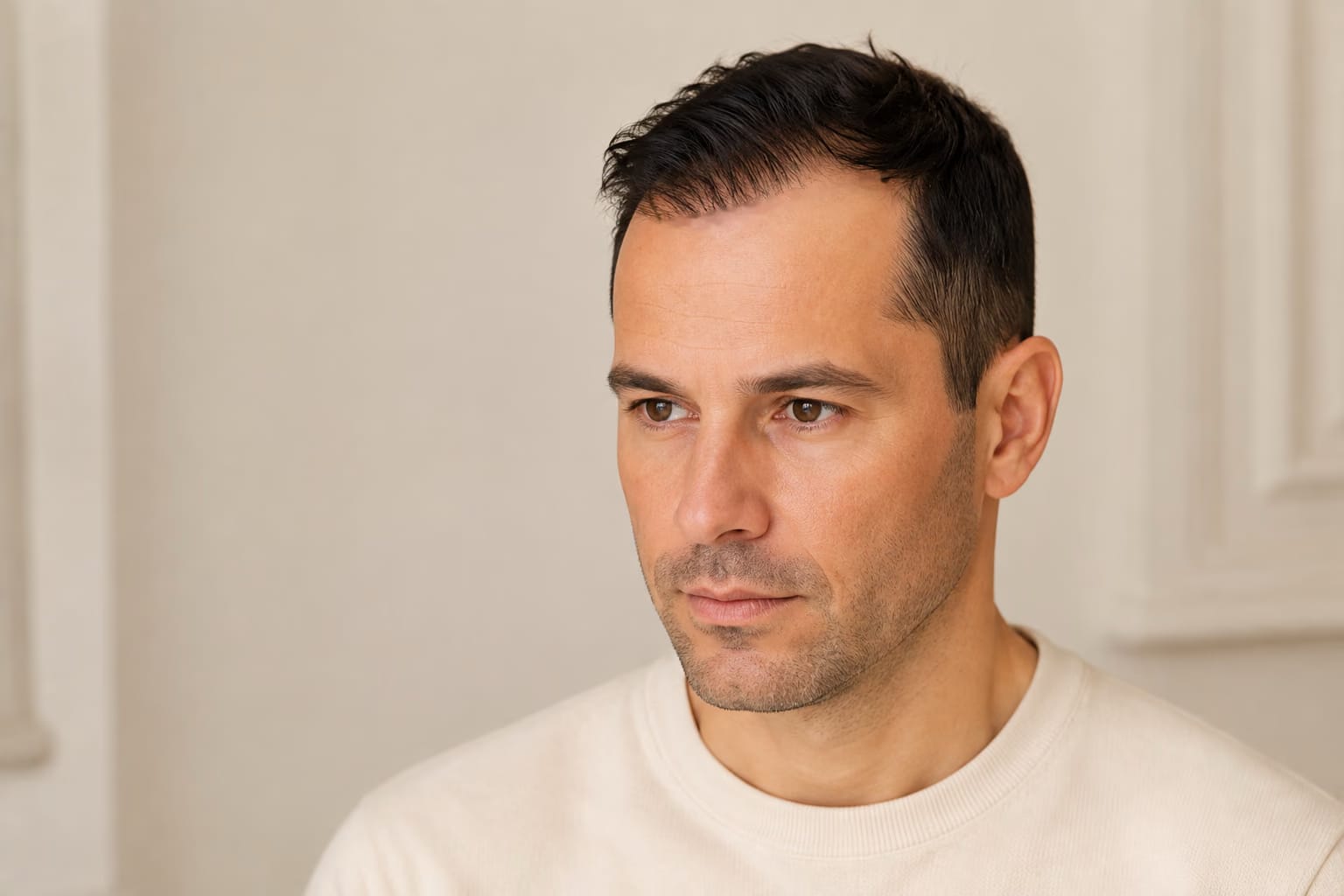
- Personal plan
- FUE · DHI · Sapphire
- Clinic in Turkey
- Care in 5 languages
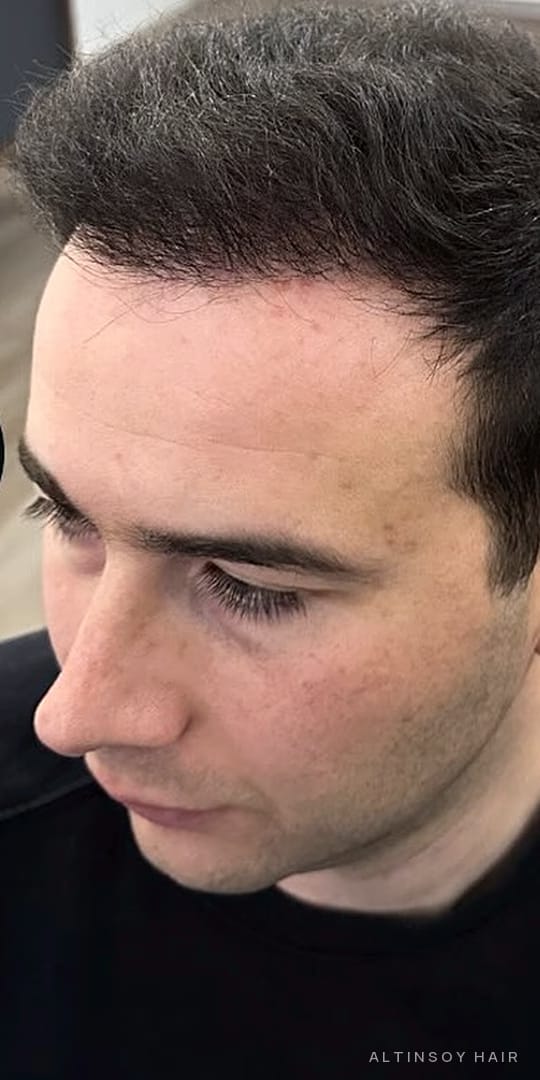
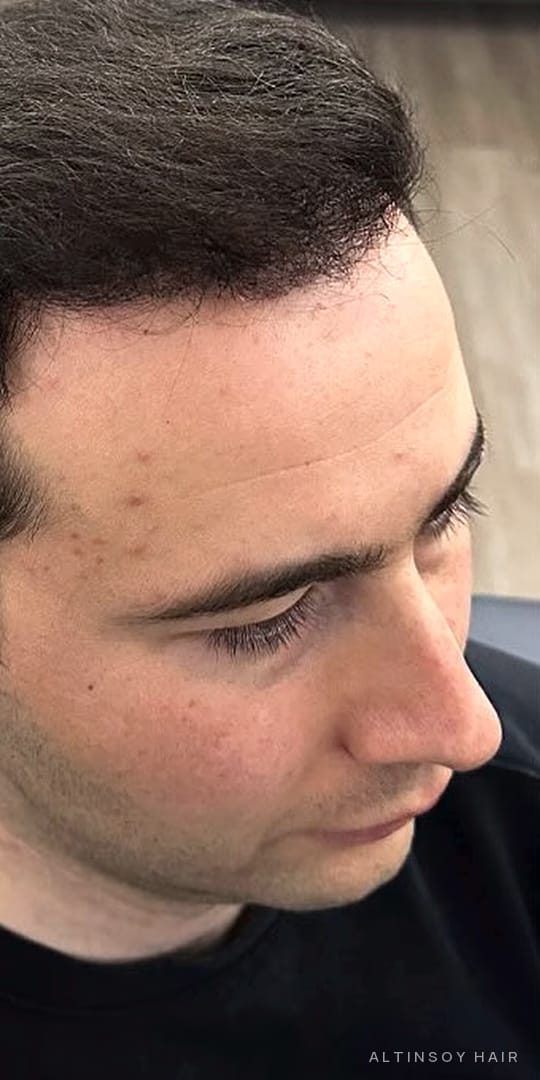
Swipe to see the difference.
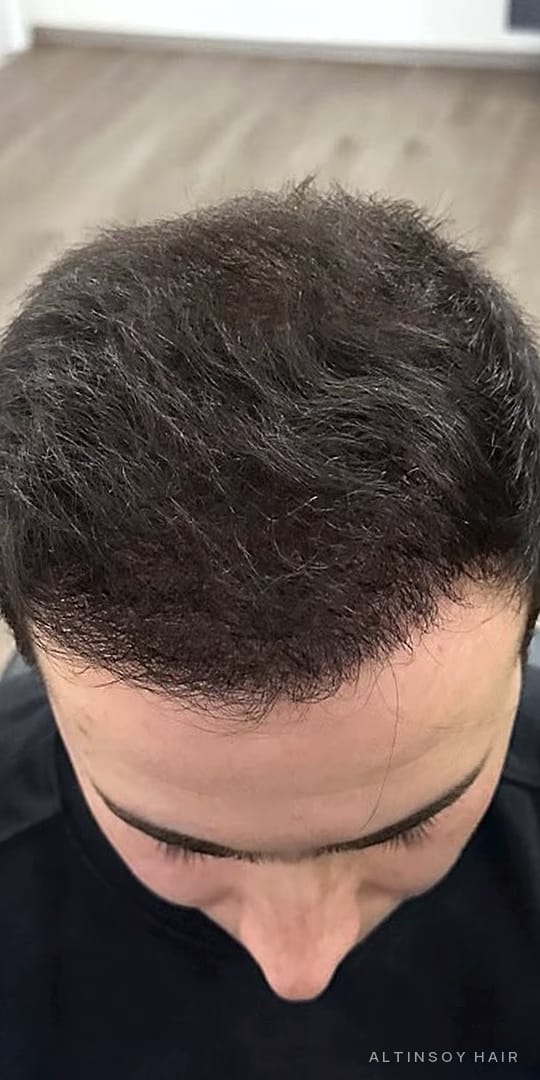
Before and after side by side, from every angle. Swipe through and compare for yourself.
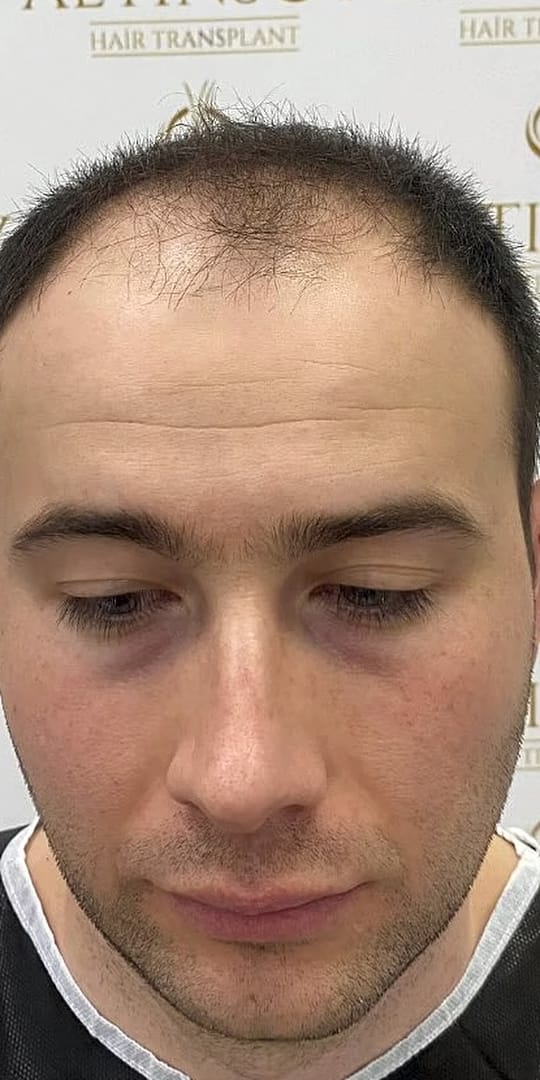 Before
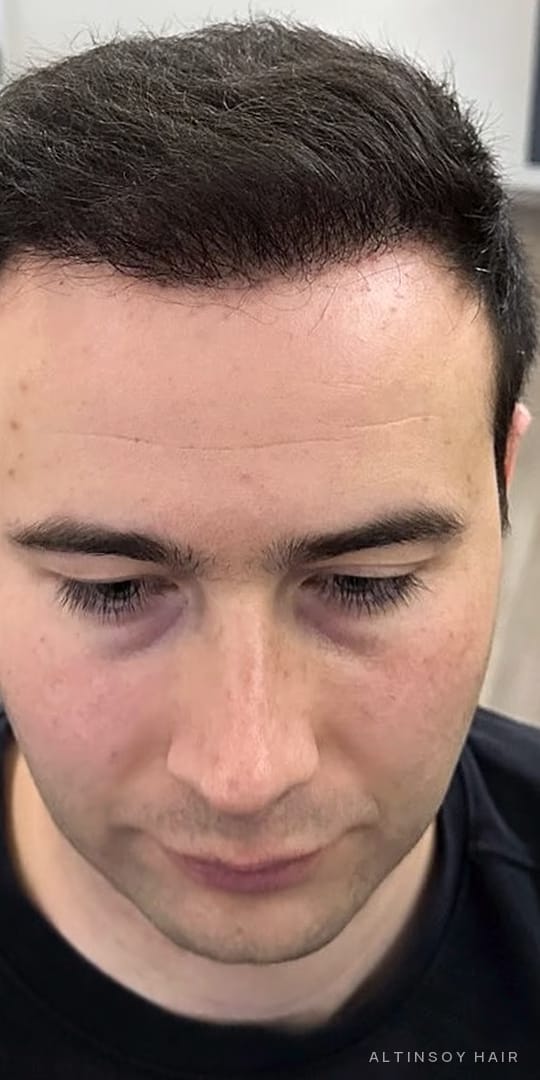 After
After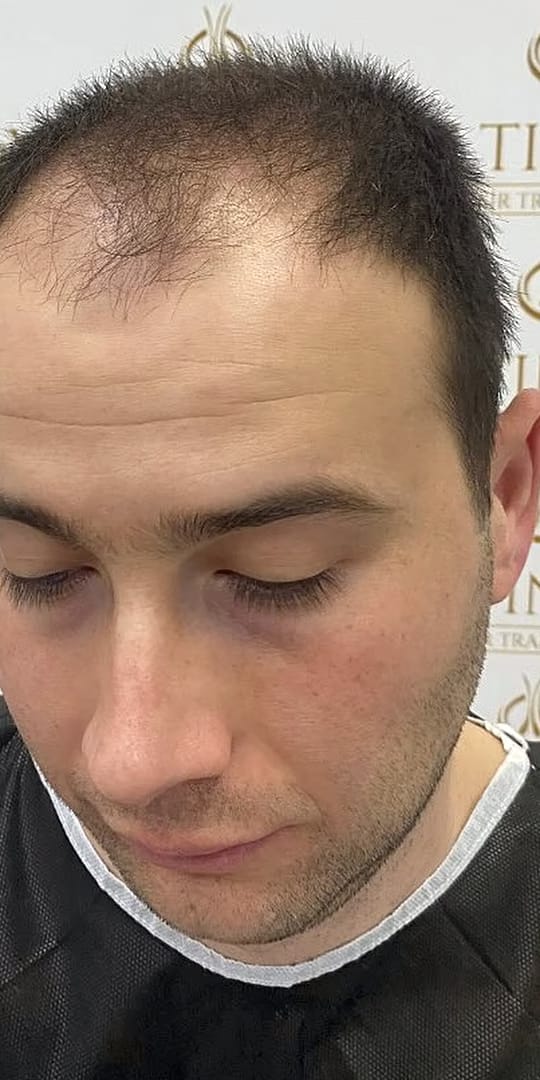 Before
 After
After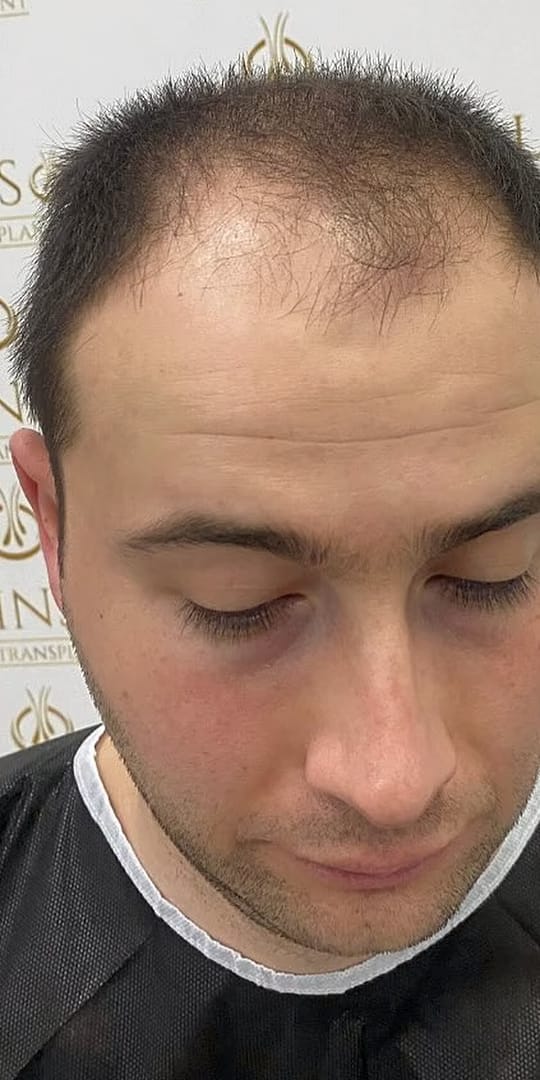 Before
 After
After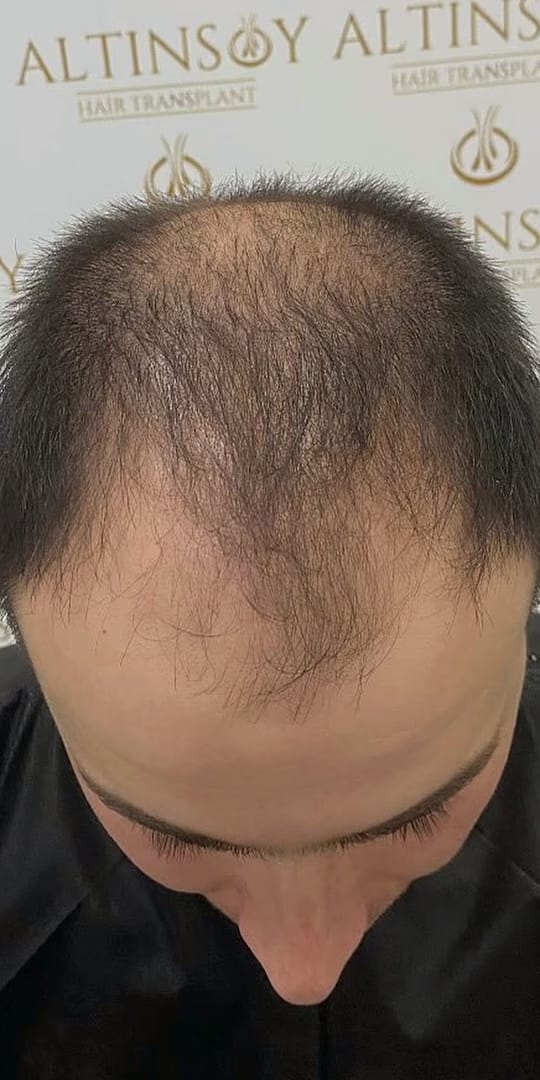 Before
 After
AfterSame graft count, an entirely different face.
The height of the hairline and the temple angle decide whether a result looks natural or artificial. Your physician makes that call based on your age and donor capacity.
- 01
- Large areas
- 6–8 hours
ExploreFUE Hair Transplant
Grafts are extracted one by one from the donor area and placed into prepared channels. The most chosen method for larger areas.
- 02
- Densifying
- Unshaven option
ExploreDHI Hair Transplant
An implanter pen opens the channel and places the graft simultaneously. A strong option for densifying and hairline work.
- 03
- Fine channels
- Dense placement
ExploreSapphire FUE
Channels are opened with sapphire blades, aiming for finer, more regular incisions.
- 04
- Scalp donor
- Result in 6–12 months
ExploreBeard Transplant
Grafts from the back of the scalp are placed into sparse or empty beard areas at a natural angle.
- 05
- Single-hair grafts
- Natural direction
ExploreEyebrow Transplant
Single-hair grafts placed to follow the brow's natural direction and angle.


A good hair transplant goes unnoticed. Every graft placed at the right angle means a hairline that still suits your face years from now.
- 01
Plan first
No graft count is discussed before donor capacity is measured.
- 02
Natural line
The hairline is designed around your age, forehead shape and possible future loss.
- 03
Long follow-up
Twelve months of photo check-ins and physician feedback after surgery.
From the first message to month twelve.
- 01Free
Online analysis
You send photos from four angles; a physician makes a preliminary assessment.
- 02Written
Personal plan
An estimated graft range, method and hairline proposal, sent to you in writing.
- 036–8 hours
Procedure day
Examination, hairline approval and transplant under local anaesthesia. You rest the same evening.
- 04Check-up
First 10 days
Washing, scab care and a check-up. Most people return to desk work within days.
- 05Follow-up
Months 3–12
New growth begins after month three; the lasting look settles at month twelve.
Surgery in Turkey, planning from the first message.
Turkey
Examination, procedure, accommodation and transfers coordinated by one team. All pre-operative planning happens online.
Türkçe · English · Русский · Deutsch · ქართული

What people ask before deciding.
Does a hair transplant hurt?
The procedure is performed under local anaesthesia. You feel a brief sting while it is administered; after that, the procedure is usually painless. Mild tenderness in the first days is managed with medication prescribed by your physician.
How many grafts will I need?
It depends on the extent of loss, donor density and the density you want to achieve. Your photos give a preliminary estimate; the exact number is set at the examination.
When will I see results?
Some transplanted hairs shed temporarily in weeks 2–8. New growth starts around months 3–4, visible change by month 6, and the lasting result settles at month 12 — up to month 18 in the crown.
Will transplanted hair fall out again?
Grafts taken from the back of the head are genetically resistant to shedding and permanent. Your native hair in untreated areas may continue to thin, which is why the plan is made for the long term.
When can I go back to work?
Most patients return to desk work within 3–5 days. Strenuous exercise, swimming pools and the sea usually wait about a month.
Who is not a candidate?
Insufficient donor area, certain uncontrolled chronic conditions or hair loss of an undetermined cause require further assessment first. Eligibility is decided by the physician.
Let's plan your hairline together.
Send your photos — the physician's preliminary assessment and your written plan are free.